
Openly Meets SIMÓN VÉLEZ - Bamboo Superstar
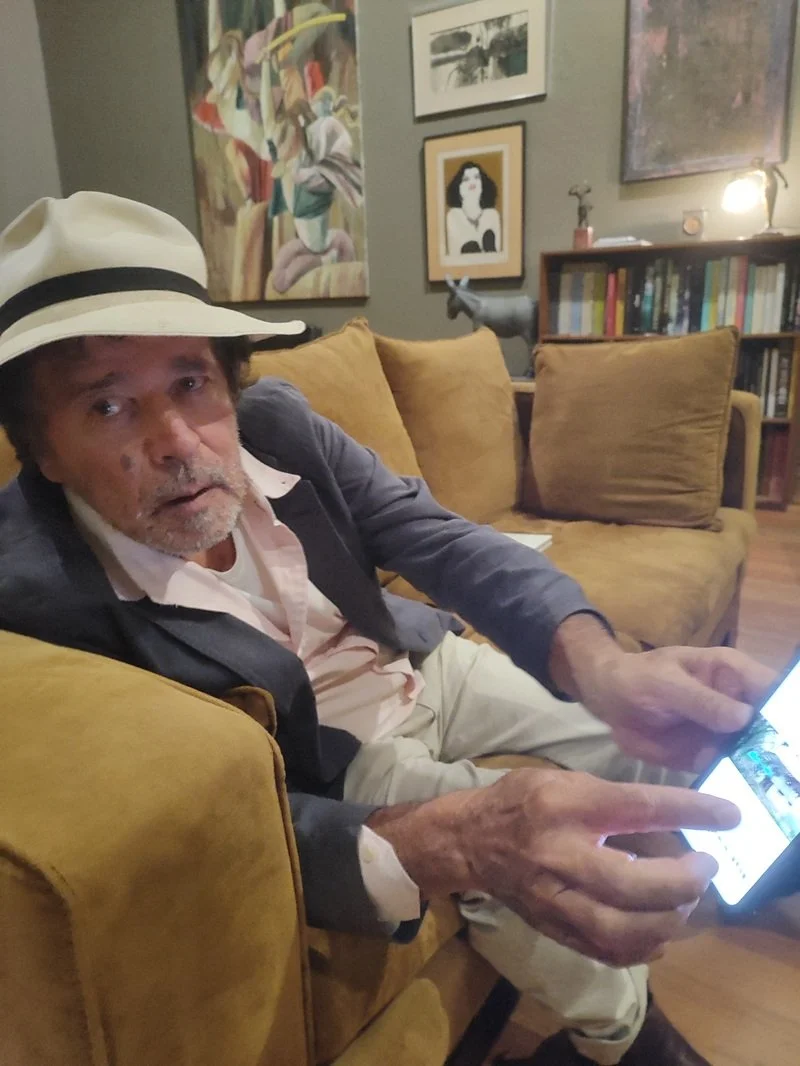
Bogotá, Colombia — August 2026
It was a special encounter with Simón Vélez, the pioneer of contemporary bamboo architecture, at his home in Bogotá.
His work with Guadua bamboo is extraordinary. Not because bamboo is currently considered sustainable, bio-based, or forward-thinking, but because Vélez has developed such a deep understanding of this material over decades that it has given rise to a distinctive architectural style. He is comparable to Zaha Hadid. His buildings are instantly recognizable.
Most Notable Buildings:
ZERI Pavilion (EXPO Hannover)
Jenny Garzón Bridge, Bogotá, Colombia
Bamboo Pavilion (Shanghai EXPO)
Nomadic Museum, Mexico City
Crosswaters Ecolodge, Guangdong, China
Contemplation Bamboo Pavilion, Arles, France
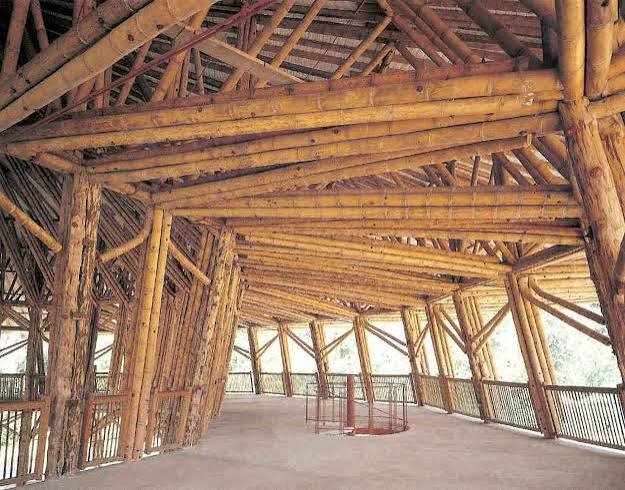
ZERI Pavilion, EXPO Hannover
The material first
A few things from our conversation have stuck with me:
Start with the roof. Everything else will follow.
I'm a hippie.
I prefer working with tradespeople rather than engineers.
Behind these statements lies a consistent philosophy: the material as the starting point. Experience before abstraction. Architecture as a form of personal expression.
His buildings could hardly have been designed first and then clad with a material. Guadua creates the architecture.
Bio-based doesn't automatically mean better
Velez points out: “We often lump bio-based materials, sustainable architecture, and regenerative construction together. That’s wrong. A building can be made of an exceptional renewable material without having been designed with a regenerative goal in mind. It can have outstanding ecological properties, while the actual driving force behind it is architecture, craftsmanship, or a spirit of experimentation.”
I had already come to a similar realization in 2022 during several meetings with Dietmar Eberle (2226 Concept): A consistent architectural approach can yield excellent environmental results, even if environmental impact was not necessarily the original starting point.
OPENLY starts somewhere else
At OPENLY, we don’t want to establish a signature material (such as hemp). We don’t want to create a recognizable architectural style. And for us, sustainability isn’t just an additional layer added to a conventional building. We start with the desired result:
Net-zero buildings as CO₂ sinks.
This is the basis for the system. Materials, design, energy, recyclability, architecture, and cost-effectiveness must all work together toward this goal. The question, therefore, is not:
Can we build differently—using wood, straw, clay, or another bio-based material—and set ourselves apart?
Rather:
How can we make regenerative construction economically viable, repeatable, and scalable?
A master like Vélez can inspire change. A system can scale it.
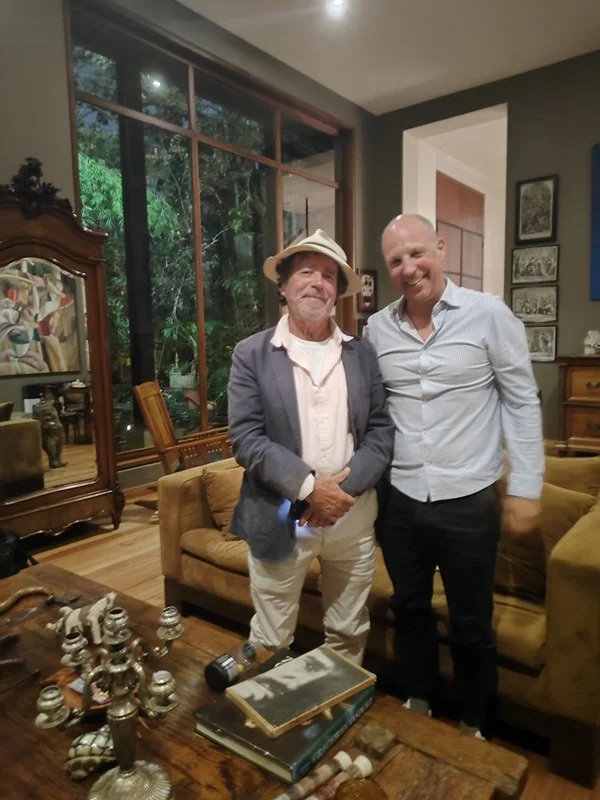
The Value of Different Perspectives
I traveled to Bogotá in search of answers. I came back with a more specific question. That’s exactly what happens when you meet people who have a truly independent perspective. They don’t necessarily validate your own path. They reveal the assumptions on which it is based. Simón Vélez did exactly that.
His architecture has once again deepened my respect for his understanding of materials, his craftsmanship, and his uncompromising approach.
At the same time, our conversation made OPENLY's mission even clearer to me:
We don't design around a specific material.
We build around a result.
Renewable Buildings. CO₂ Sinks. On a Large Scale.
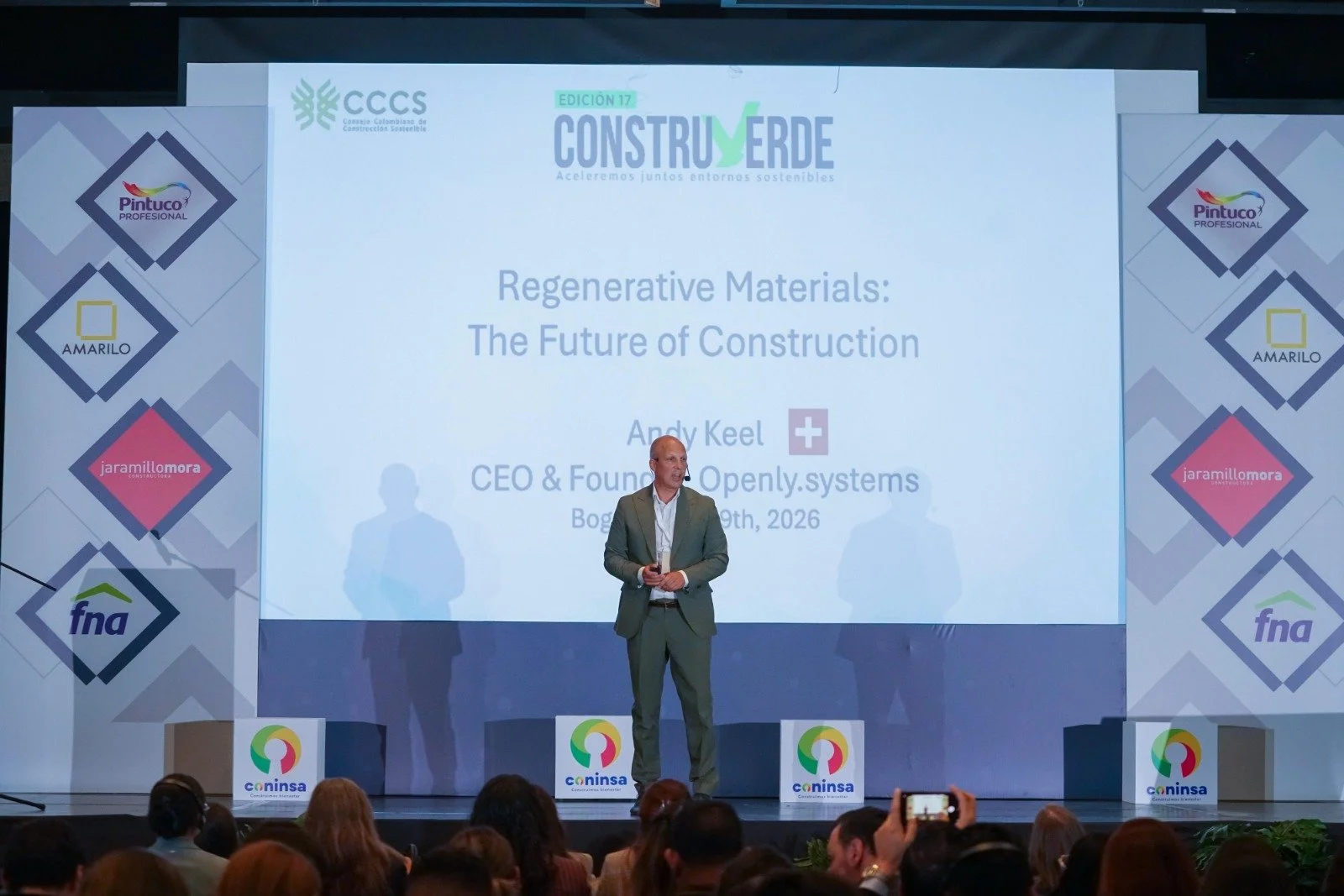
850 people: Opening keynote by Andy Keel at the Construverde conference, at the invitation of the Green Building Council Latin America